


Cost of Vapor Barrier Installation in Twin Lakes, WI
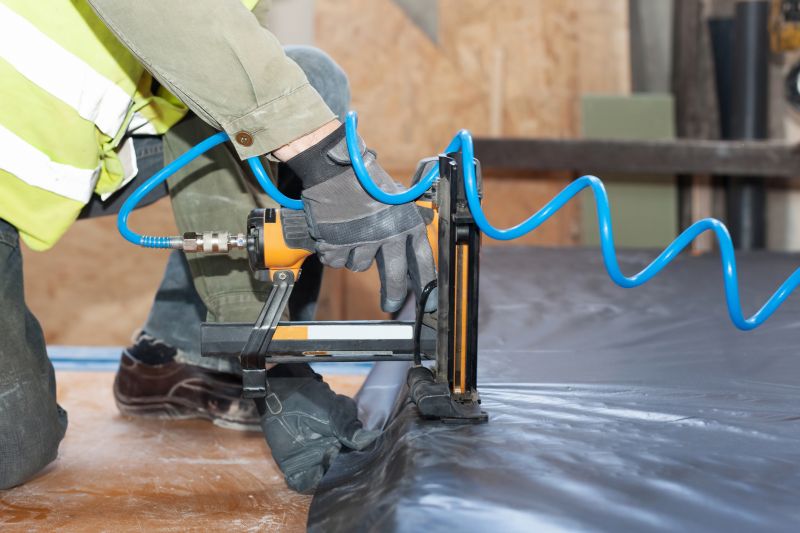
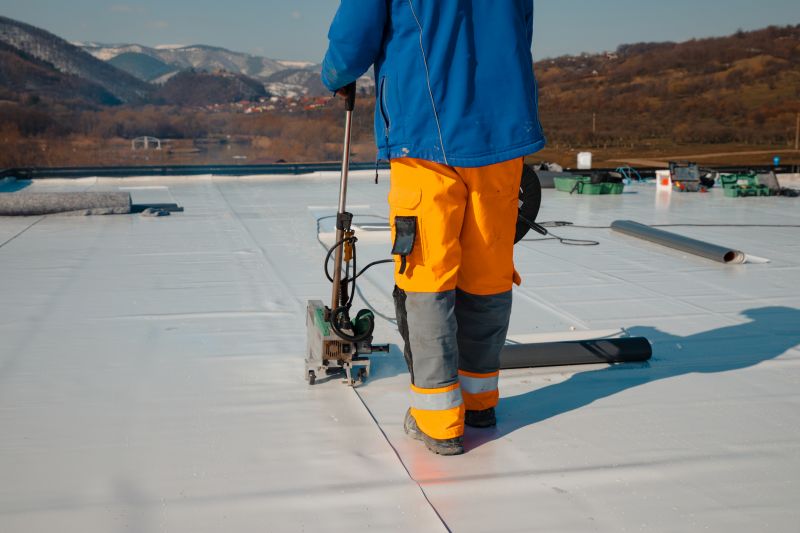
Vapor barrier installation costs in Twin Lakes, WI, can vary based on several factors including the size of the area, type of materials selected, and site-specific conditions. Typically, project costs are influenced by the scope of work, the quality and type of vapor barrier materials used, and the complexity of the installation process. It is important to consider these variables when comparing options and estimating overall expenses.
Since final pricing depends on individual project details, it is recommended to obtain detailed estimates that account for materials, labor, and site conditions. Understanding the typical range of costs can help in planning and budgeting for vapor barrier installation, ensuring that the chosen solution aligns with the specific needs of the space in Twin Lakes, WI.
Estimated Price Range
$1,200 - $2,800 (Smaller scope)
$2,500 - $5,000 (Standard installation)
| Project Type | Typical Range |
|---|---|
| Basement Vapor Barrier | $1,200 - $2,800 |
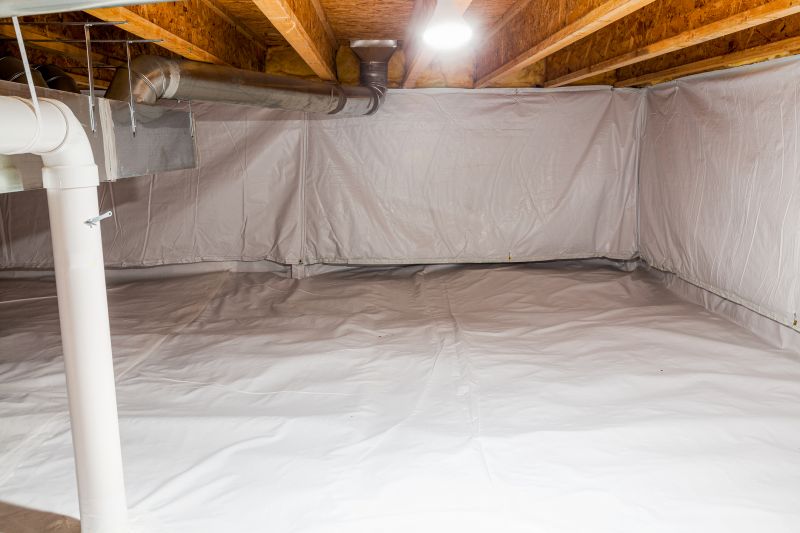
| Crawl Space Vapor Barrier | $1,500 - $3,200 |
| Garage Vapor Barrier | $1,200 - $2,500 |
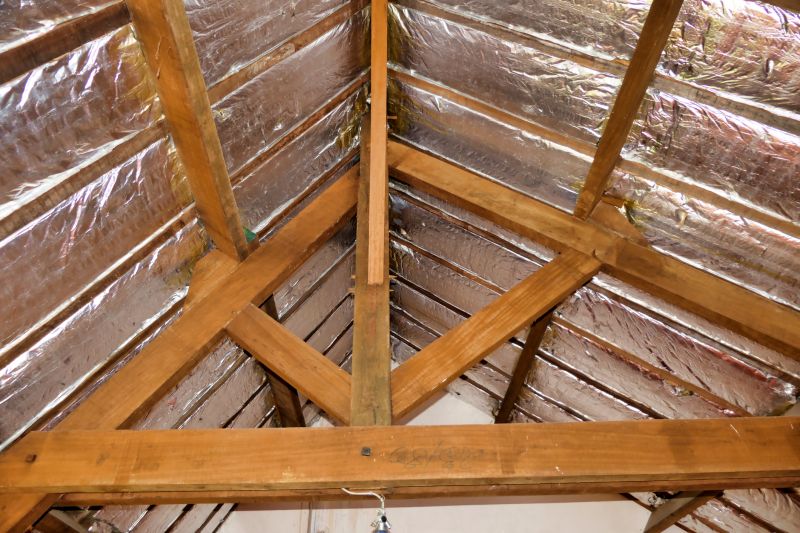
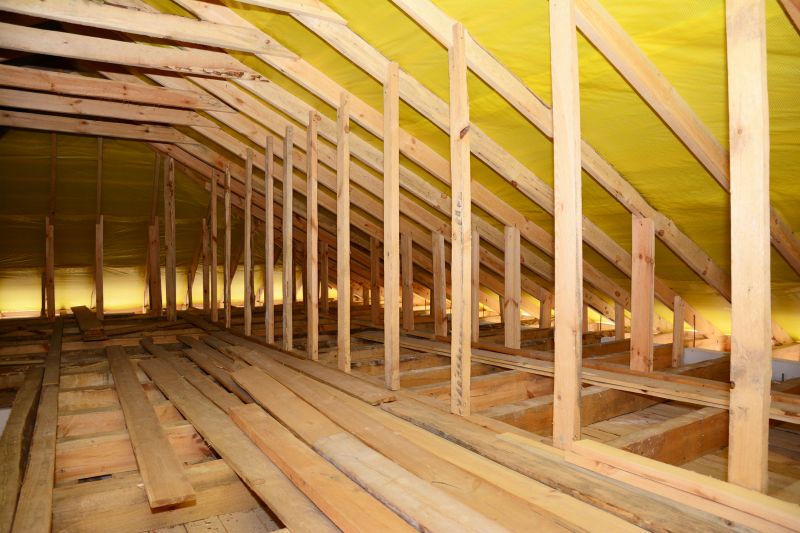
| Attic Vapor Barrier | $1,000 - $2,500 |
| Whole House Vapor Barrier | $4,000 - $8,000 |
| Garage Floor Vapor Barrier | $1,300 - $2,800 |
Factors Affecting Cost
Installing a vapor barrier in Twin Lakes, WI, involves selecting appropriate materials and understanding the scope of work required for effective moisture control. Proper installation can help prevent issues related to excess humidity and improve indoor comfort. The following overview provides general information on typical aspects involved in vapor barrier projects in the area.
- Materials: Common vapor barrier materials include polyethylene plastic sheeting, typically 6-mil to 10-mil thickness, suitable for residential basements and crawl spaces.
- Size and Scope: Projects often cover areas such as basement floors, crawl spaces, or entire slabs, with sizes ranging from small sections to large, whole-area installations.
- Labor Complexity: Installation varies from straightforward to more involved, depending on accessibility, existing conditions, and the need for additional sealing or insulation.
- Permitting: Local regulations in Twin Lakes may require permits for certain types of moisture control or foundation work; checking with local authorities is recommended.
- Additional Options: Considerations may include sealing vents, adding insulation, or installing drainage systems to enhance vapor barrier effectiveness.
