How Water Intrusion Damages Foundations and Basements
Local contractors specializing in basement and foundation waterproofing can help prevent water intrusion that damages structures, ensuring your home stays dry and secure.
Understanding how water intrusion damages foundations and basements is essential for property owners in the area. Excess moisture can lead to a range of issues, including cracks in the concrete, weakening of structural elements, and the development of mold or mildew. These problems not only threaten the stability of a property but can also result in costly repairs if left unaddressed. Local contractors specializing in basement and foundation waterproofing are equipped to assess these risks and recommend effective solutions to prevent water-related damage before it becomes a serious concern.
For property owners exploring this topic, recognizing the signs of water intrusion and understanding its impact is a practical step toward protecting their investment. Whether dealing with persistent dampness or visible water entry, connecting with experienced service providers can help implement measures that keep basements dry and foundations sound. These local experts can provide tailored waterproofing services designed to address specific issues, helping to maintain the integrity and safety of a property over time.
- Basement Waterproofing - homeowners noticing damp or moldy basements may need waterproofing services to prevent further water intrusion and damage.
- Foundation Sealing - when cracks or gaps in a foundation allow water entry, local contractors can apply sealing solutions to keep moisture out.
- Drainage System Installation - properties experiencing poor surface runoff may require drainage improvements to divert water away from the foundation.
- Waterproof Wall Coatings - walls showing signs of efflorescence or water stains can benefit from protective coatings applied by service providers.
- Leak Repair Services - visible leaks or pooling water in basements indicate the need for targeted repairs to stop ongoing water intrusion.
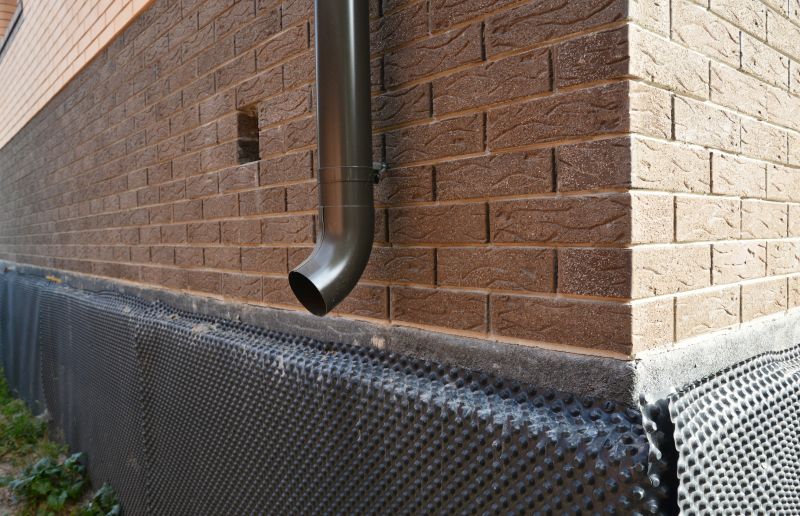
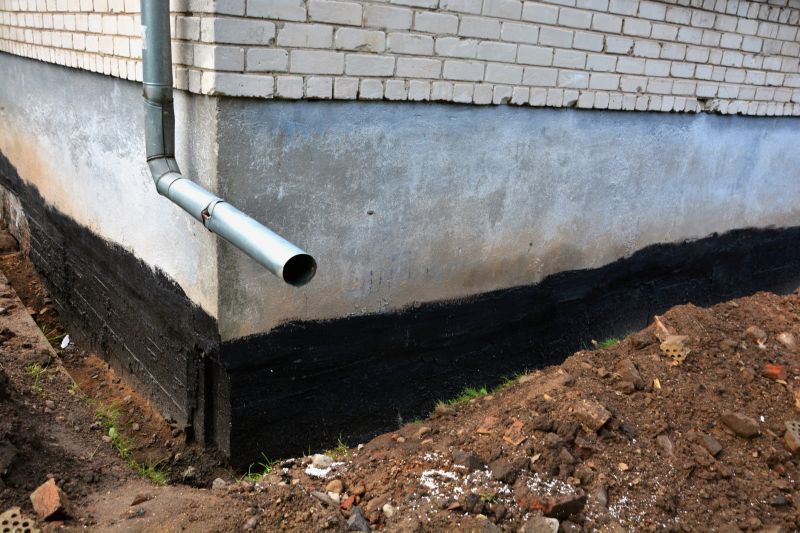
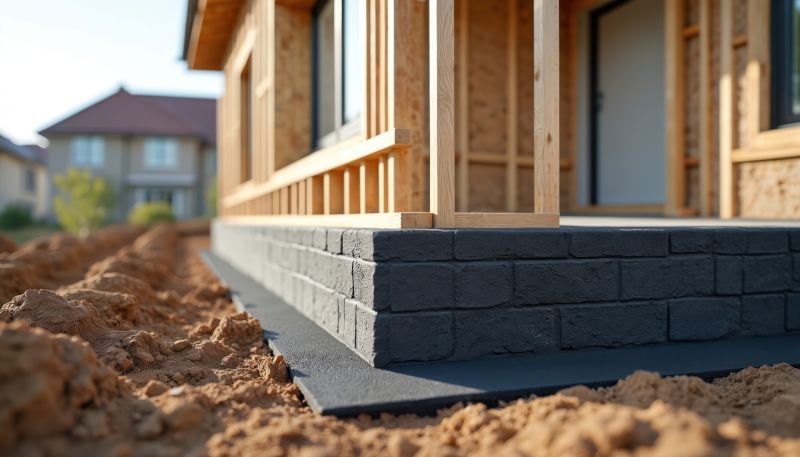
When people search for how water intrusion damages foundations and basements, they are often concerned about the causes and consequences of water seeping into their property. This topic typically relates to issues like excess moisture, persistent dampness, or visible signs of water entry, which can compromise the structural integrity of a building over time. Homeowners may also be exploring preventative measures or repairs to protect their investment. Understanding the mechanics of water intrusion helps individuals recognize potential vulnerabilities, such as cracks in foundation walls or poorly sealed basement windows, and highlights the importance of professional waterproofing solutions.
The problems associated with water intrusion into foundations and basements are diverse but interconnected. Common concerns include basement flooding, mold growth, and the deterioration of foundation materials. These issues can lead to weakened walls, uneven settling, and costly repairs if not addressed promptly. Homeowners often consider plans for waterproofing or drainage improvements to manage water flow around their property. When water penetrates the foundation, it can also cause interior damage, including warped flooring, peeling paint, and musty odors. Local contractors who specialize in foundation and basement waterproofing can evaluate these issues and recommend effective strategies to prevent ongoing damage.
Certain types of properties are more prone to water intrusion problems, especially those built in areas with high water tables, poor drainage, or heavy rainfall. Basements are particularly vulnerable because they are partially or entirely below ground level, making them susceptible to groundwater seepage. Older homes with cracks or deteriorated foundation walls are also at increased risk. Additionally, properties with inadequate drainage systems or improper grading may experience water pooling around the foundation, increasing the likelihood of intrusion. These properties often require targeted waterproofing solutions from experienced service providers to address specific vulnerabilities and protect the structural integrity.
Understanding how water intrusion damages foundations and basements helps homeowners see the connection between water management and long-term property health. Local service providers specializing in basement and foundation waterproofing play a crucial role in diagnosing issues and implementing solutions. Whether it involves installing sump pumps, sealing cracks, or improving drainage systems, these professionals help mitigate the risks associated with water intrusion. Connecting with local contractors ensures that property owners receive tailored advice and effective interventions designed to safeguard their homes from ongoing water-related damage.
Foundation Repair Projects - these projects often involve assessing and stabilizing damaged foundations caused by water intrusion, requiring similar planning and excavation skills as waterproofing services.
Basement Drainage System Installations - installing interior or exterior drainage solutions to prevent water buildup shares tools and techniques used in waterproofing basements against water damage.
Waterproof Wall Coating Applications - applying sealants and protective coatings to walls to prevent water penetration involves similar surface preparation and application methods as basement waterproofing.
Sump Pump Installation Services - installing sump pumps to manage water entry aligns with the skills needed to control water flow and protect foundations from water damage.
Crawl Space Encapsulation Projects - sealing and insulating crawl spaces to prevent moisture infiltration relate closely to basement waterproofing strategies for maintaining dry structures.
Exterior Drainage and Grading Services - improving landscape grading and drainage around a property helps prevent water from seeping into foundations, complementing waterproofing efforts.
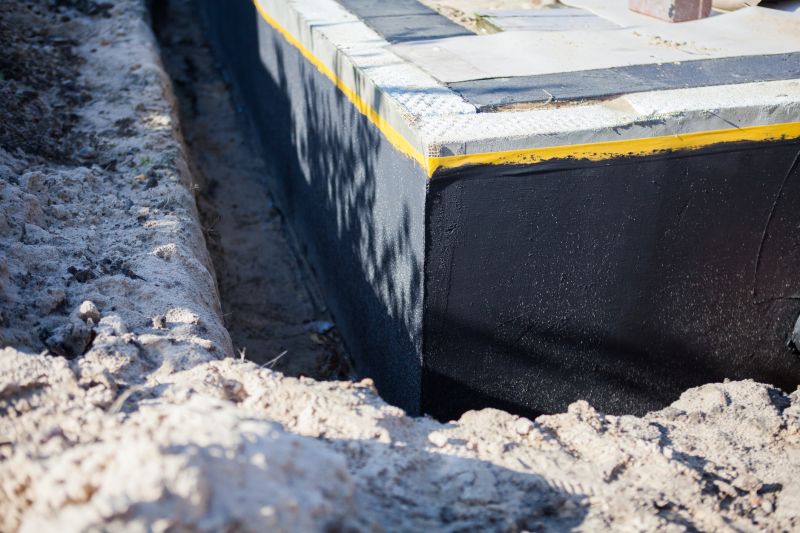
When evaluating contractors for basement and foundation waterproofing, it is important to consider their experience with similar projects. Homeowners should inquire about how long the service providers have been working on water intrusion issues and whether they have handled cases comparable to their own. An experienced local contractor will typically have a deeper understanding of common water intrusion causes, effective solutions, and potential challenges specific to the local area. This background can help ensure that the chosen professional is well-equipped to address the unique aspects of water damage and provide a more reliable and durable waterproofing solution.
Clear written expectations are essential when comparing local contractors for foundation and basement waterproofing services. Homeowners should seek detailed proposals that outline the scope of work, materials to be used, and the steps involved in the project. Having this information in writing helps prevent misunderstandings and ensures that both parties are aligned on what will be done. It also provides a basis for evaluating different service providers fairly. A reputable contractor will be transparent about the process and willing to answer questions, making it easier for homeowners to make informed decisions.
Reputable references and effective communication are key factors to consider when selecting a local contractor. Homeowners should ask for references from previous clients who had similar water intrusion issues and review their experiences. Positive feedback can indicate a contractor’s ability to deliver quality results and maintain professional standards. Additionally, good communication throughout the process-such as prompt responses to questions and clear explanations of procedures-helps build trust and confidence. Service providers who prioritize open, honest dialogue are more likely to ensure that homeowners are well-informed and satisfied with the waterproofing work performed to prevent future water damage.
Property owners often search for how water intrusion damages foundations and basements when they are planning practical projects around their homes and businesses. Local pros provide Basement and Foundation Waterproofing services for everyday jobs and straightforward project options.
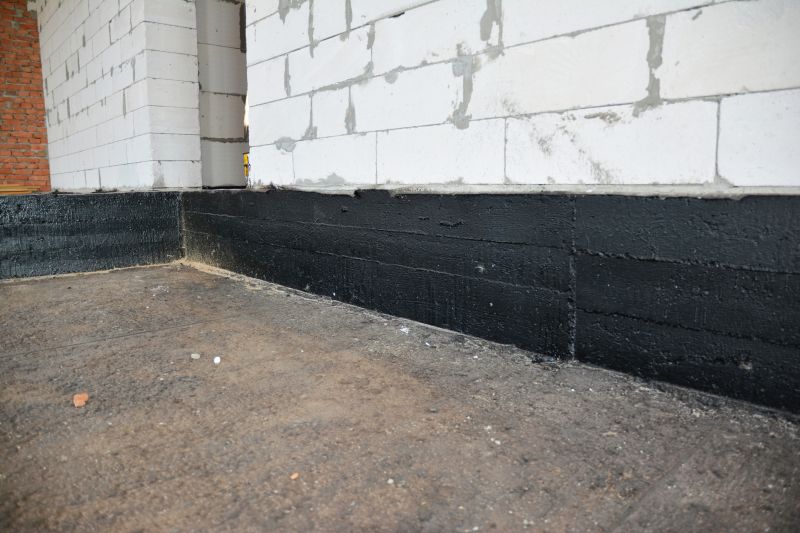
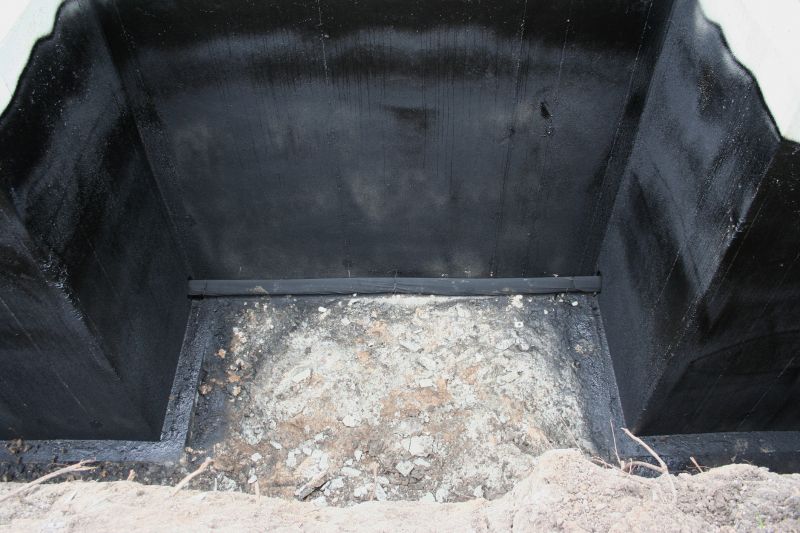
Water intrusion can pose a significant threat to the structural integrity of foundations and basements, especially during heavy rains or rapid snow melts. Property owners often notice signs like damp walls, musty odors, or minor cracks appearing in basement floors and walls, prompting them to look into how water damage occurs and what can be done to prevent it. Local contractors who specialize in basement and foundation waterproofing can assess these issues, identify vulnerabilities, and recommend effective solutions to keep water out and protect the property’s stability.
Understanding how water intrusion damages foundations and basements helps property owners recognize the importance of timely intervention. Excess moisture can lead to deterioration of foundation materials, promote mold growth, and cause structural shifts over time. Many local service providers offer waterproofing services designed to address these concerns, using methods that can help prevent water from seeping in and causing further damage. Consulting with experienced contractors can provide peace of mind and a clear plan for safeguarding a home against water-related issues.
How does water intrusion damage foundations and basements? Water intrusion can weaken foundation walls, cause cracks, and lead to settling over time, which may result in structural instability. In basements, it can cause mold growth, wood rot, and damage to stored items. Local contractors can assess and address these issues with proper waterproofing measures.
What are common signs of water intrusion in basements? Signs include damp or wet walls, musty odors, visible mold, efflorescence on walls, and water stains or puddles after rain. Identifying these early can help local service providers recommend effective waterproofing solutions.
How does water intrusion affect the long-term stability of a building? Persistent water intrusion can erode foundation materials, cause cracks, and lead to uneven settling, compromising the structural integrity of the building. Waterproofing specialists can help prevent these issues by implementing proper barriers and drainage systems.
Can waterproofing prevent water damage to foundations and basements? Yes, waterproofing creates a barrier that prevents water from seeping into the foundation and basement walls, reducing the risk of damage caused by water intrusion. Local contractors can install various waterproofing systems tailored to specific needs.
What types of waterproofing services are available for foundations and basements? Services include interior and exterior waterproofing, drainage system installation, sump pump setup, and sealing cracks. These measures help protect structures from water intrusion and its damaging effects.
Identify water entry points - inspecting foundations and basements helps property owners locate cracks and leaks that allow water intrusion, enabling targeted waterproofing solutions by local contractors.
Implement drainage improvements - installing proper gutters, downspouts, and exterior grading can direct water away from the foundation to prevent water damage and reduce the risk of basement flooding.
Apply waterproof coatings and sealants - using professional-grade sealants on foundation walls and basement floors can create a barrier against water intrusion, helping to protect structural integrity.
Schedule regular inspections - routine assessments by local service providers can catch early signs of water damage, allowing timely repairs to prevent costly foundation and basement issues.
If you are thinking about how water intrusion damages foundations and basements for a property, this guide is meant to help you understand this topic, the typical project types, and how different options might fit your plans.
When you are ready, you can use the quote form on this page to share a few details about your project. From there, local pros can review the basics and follow up with options that match what you have in mind.